
Author: Annie McCane

  • The ROI of a Website Redesign for Small Business Owners

    The ROI of a Website Redesign for Small Business Owners

    Let’s be honest: your website is likely the first impression your business makes. If it’s outdated, slow, or hard to navigate, it could be costing you real customers every single day.

    For local small businesses—coffee shops, restaurants, boutiques, salons, service providers—this isn’t just a tech issue. It’s a revenue issue.

    A website redesign isn’t an expense. When done strategically, it’s one of the highest-return investments you can make in your business. Here’s how to think about it.


    What do we mean by ROI?

    Return On Investment measures what you get back relative to what you spend. For a website redesign, ROI shows up in several ways: more customers finding you online, more visitors actually reaching out or walking through your door, more time saved because your site handles common questions, and more trust built before a customer ever meets you.

    These aren’t abstract benefits. They translate directly into dollars and they compound over time.


    The Hidden Cost of Doing Nothing

    Before we talk about what a redesign can do for you, let’s talk about what your current website might be costing you right now.

    You’re losing customers before they call. Users form an opinion about a website within the first few seconds. If your site looks dated, loads slowly, or doesn’t work well on a phone, most visitors leave without ever reaching out. For a coffee shop or restaurant, that might mean someone Googled you, couldn’t find your hours, and went somewhere else. A lost sale you’ll never know about.

    Google is penalizing you. Search engines reward websites that are fast, mobile-friendly, and easy to navigate. If your site doesn’t meet modern standards, you’re being pushed further down in the search results, meaning fewer people see you in the first place. Local SEO is everything for a small business. A strategic redesign can dramatically improve where you show up when someone searches “best coffee near me” or “spa in [your town].”

    Your competitors already upgraded. If the restaurant down the street has a clean, modern site with easy online ordering and yours doesn’t, you already know who wins that comparison. Your website is competing for attention every single day, whether you’re paying attention to it or not.

    A weak website doesn’t just underperform. It actively sends customers somewhere else.


    What a Strategic Redesign Actually Does for Your Business

    Here’s where it gets exciting. A well-built website isn’t just a digital brochure. It’s a business tool that works for you 24 hours a day.

    It converts visitors into customers. A redesign built around your goals means every element is optimized to do one thing: turn visitors into paying customers. That might look like a clear “Book a Table” button, a menu that’s easy to browse on mobile, or a homepage that immediately communicates why you’re the best choice in town. When the design has purpose, conversion rates improve.

    It works on every device. More than half of all web traffic now comes from smartphones. If your website isn’t mobile-friendly, you’re creating friction for the majority of your visitors, and most of them won’t wait around. A modern redesign ensures your site looks and functions beautifully on phones, tablets, and desktops.

    It builds trust before you even meet. For local businesses, trust is everything. A polished, professional website signals: this business is legitimate, established, and cares about the experience they deliver. On the flip side, a site that looks like it was built in 2012 can undermine confidence, even if your actual service is exceptional.

    It saves you time. A well-structured site answers your most common customer questions automatically: hours, location, pricing, FAQs. That’s fewer calls and emails interrupting your day, and more time focused on actually running your business.

    It supports everything else you’re doing. Running Instagram ads? Handing out business cards? Your website is where all of it lands. If that landing experience is weak, you’re wasting money on marketing that doesn’t convert.


    Real Numbers to Consider

    You don’t need a massive budget to see meaningful returns. Consider this: if a redesign helps your coffee shop convert just two extra customers per day—people who previously bounced off your site—at an average spend of $8, that’s over $5,800 in additional revenue in a year. From two extra visits per day.

    Now think about what a stronger Google ranking, a smoother mobile experience, and an easier path to booking or ordering could actually do for your specific business.


    What To Look For in a Redesign Partner

    Not all web design is created equal. A cheap, template-built site might look okay at first glance but lack the strategy that actually drives results. When evaluating a redesign partner, look for someone who:

    • Starts with your business goals, not just aesthetics
    • Understands local SEO and how to help you get found online
    • Builds on a platform you can actually manage (we’re big fans of WordPress for this exact reason)
    • Communicates clearly—no tech jargon, no guessing games
    • Treats it as a collaboration, not just a handoff

    Ready to See What Your Website Could Be Doing For You?

    A website redesign is one of those investments that keeps paying off—month after month, customer after customer. The question isn’t really whether you can afford to do it. It’s whether you can afford to keep waiting.

    If you’re a local small business owner who’s ready to stop leaving customers on the table, we’d love to talk. At McCane Design Co, we build strategic websites designed to grow with you without the overwhelm.

  • Why Your Website Isn’t Bringing You Customers (And What To Fix First)

    Why Your Website Isn’t Bringing You Customers (And What To Fix First)

    If your website looks “fine” but isn’t bringing in more orders, bookings, or foot traffic, something isn’t working.

    And no, it’s probably not the algorithm.
    It’s not just the economy.
    It’s not that people “aren’t spending right now.”

    It’s your website.

    Most small business website aren’t built to actually bring in business. They’re built to exist. And those are two very different things.

    Let’s fix that.

    Here’s the issues:

    It’s Not Always Clear What You Offer Right Away

    When someone lands on your site, they shouldn’t have to think.

    They should instantly know:

    • What you offer
    • Who it’s for
    • Why they should choose you

    If someone lands on your site and has to click around to figure out if you’re a coffee shop, a spa, or what services you actually offer, they’re already gone.

    What to Fix

    • Use a clear headline at the top of your homepage
    • Say exactly what you offer (menu, services, products)
    • Add a button right away like “View Menu,” “Book Now,” or “Order Online”

    You’re Not Answering What People Actually Care About

    People are visiting your site with a goal.

    They want to know things like:

    • What does it cost?
    • What’s included?
    • Where are you located?
    • How do I book or order?

    If they can’t find those answers quickly, they leave and go somewhere else.

    What to Fix:

    • Make your key info easy to find
    • Don’t hide pricing, menus, or services
    • Think about what you would look for as a customer

    There’s no clear next step

    If someone us ready to take action, what do they do?

    Do they:

    • Call you?
    • Book online?
    • Place an order?
    • Show up?

    If it’s not obvious, they’ll hesitate. And hesitation usually means they leave.

    What to Fix:

    • Add clear buttons throughout your site:
      • “Book Appointment”
      • “Order Online”
      • “View Menu”
      • “Get Directions”
    • Make it simple and obvious

    It Doesn’t Build Trust

    People don’t just choose a business randomly. They choose the one that feels the most trustworthy.

    If your website feels outdated, empty, or inconsistent, people notice.

    What to fix:

    • Add photos of your space, your work, or your products
    • Include reviews or testimonials
    • Keep your branding consistent
    • Make sure everything feels clean and professional

    It’s Hard to Use on A Phone

    Let’s be honest. Most people are finding you on their phone.

    If your site is slow, hard to read, or difficult to click through, they won’t stick around.

    Think about someone trying to:

    • Check your menu while in the car
    • Book an appointment quickly
    • Find your address

    If it’s frustrating, they’ll move on.

    What to Fix:

    • Test your site on your phone
    • Make buttons large and easy to tap
    • Keep text short and readable
    • Improve load speed

    There’s No Strategy Behind It

    This is the biggest one.

    Your website isn’t just something to have. It should be working for you every day.

    Bringing in orders.
    Filling your calendar.
    Getting people through your door.

    If it wasn’t built with that in mind, it’s not going to perform the way you need it to.


    Let’s Be Honest About Your Website

    If you’re reading this and thinking, “this might be my website…”

    It probably is.

    And the good news is, these are all fixable.

    This is exactly what we do. We don’t just make websites look better. We make them work better so they actually bring in business.

    Ready for a website that brings you more bookings, orders, and customers?

    Either way, you don’t need more people finding your website. You need your website to actually convert the people who are already there.

  • Choosing the Right Website Platform For Your Business (and Why It Matters More Than You Think)

    Choosing the Right Website Platform For Your Business (and Why It Matters More Than You Think)

    When you’re building a website for your business, one of the first decisions you’ll face is which platform to use.

    There are plenty of options out there, and many of them promise quick, easy results. And to be fair, some of them can be a great starting point.

    But your website is not just something to check off a list. It’s a tool that should grow with your business, support your marketing efforts, and help you generate leads over time.

    That’s where choosing the right platform really starts to matter.

    The Appeal of “Easy” Website Builders

    Many business owners start with all-in-one website builders because they are accessible and quick to set up.

    They often come with:

    • drag-and-drop editors
    • pre-designed templates
    • built-in hosting

    For a brand new business or quick launch, these can feel like the perfect solution.

    And in some cases, they are.

    Where These Platforms Start to Fall Short

    The challenges usually don’t show up right away. They appear as your business begins to grow and your needs become more specific.

    Some of the most common limitations include:

    Limited Flexibility

    You can only customize within the boundaries of the platform. As your business evolves, this can become restrictive.

    Performance Issues

    Site speed and performance are not always optimized, which can impact both user experience and search rankings.

    SEO Limitations

    While many platforms offer basic SEO tools, they often lack the deeper control needed to fully optimize your site.

    Scalability Challenges

    Adding advanced functionality or integrating with other tools can be difficult or, in some cases, not possible.

    Ownership and Control

    Your website ultimately lives within someone else’s system, which can limit your control long term.

    Why Many Businesses Transition to WordPress

    As businesses grow, many reach a point where they need more flexibility, more control, and a website that can truly support their goals.

    This is where WordPress stands out.

    With WordPress, your website can be built to fit your business rather than forcing your business to fit within a template.

    Some of the biggest advantages include:

    Flexibility

    Your site can be fully customized to match your brand, goals, and your user experience.

    Scalability

    Whether you need to add new features, expand your services, or integrate with other tools, your website can grow with you.

    Better Performance Potential

    When built correctly, WordPress sites can be fast, efficient, and optimized for both users ad search engines.

    Stronger SEO Capabilities

    You have full control over how your site is structured and optimized, which can make a significant difference in visibility.

    Ownership

    You own your website and your content, which gives you long-term stability and control.


    So What’s The Right Choice?

    The right platform depends on your current stage of business and your goals.

    If you need something quick and simple to get started, a basic website builder can serve a purpose.

    But if you’re looking for a website that will support your business long term, adapt as you grow, and function as a true marketing tool, it’s worth considering a more flexible solution from the beginning.

    How We Approach It at McCane Design Co

    At McCane Design Co, we work with clients on a variety of platforms and are happy to step into existing websites when needed.

    However, when it comes to building new websites from the ground up, we primarily use WordPress.

    This allows us to create websites that are:

    • clear and easy to navigate
    • fully customized to the business
    • built with long-term growth in mind

    Our goal is not just to launch a website, but to create something that continues to support your business well beyond launch day.


    Your website platform is the foundation everything else is built on.

    Choosing the right platform is an important first step, but how your website is built matters even more.

    At McCane Design Co, we design and build custom WordPress websites that are created to grow with your business.

  • The Vital Role of Accessibility in Website Development and Design

    The Vital Role of Accessibility in Website Development and Design

    When we build websites, our goal isn’t just to make something that looks good—it needs to work well for everyone who visits it.

    Accessibility in website development ensures that your site can be used by people of all abilities. And today, it’s not just optional—it’s essential for growth, usability, and long-term success.

    What is Website Accessibility?

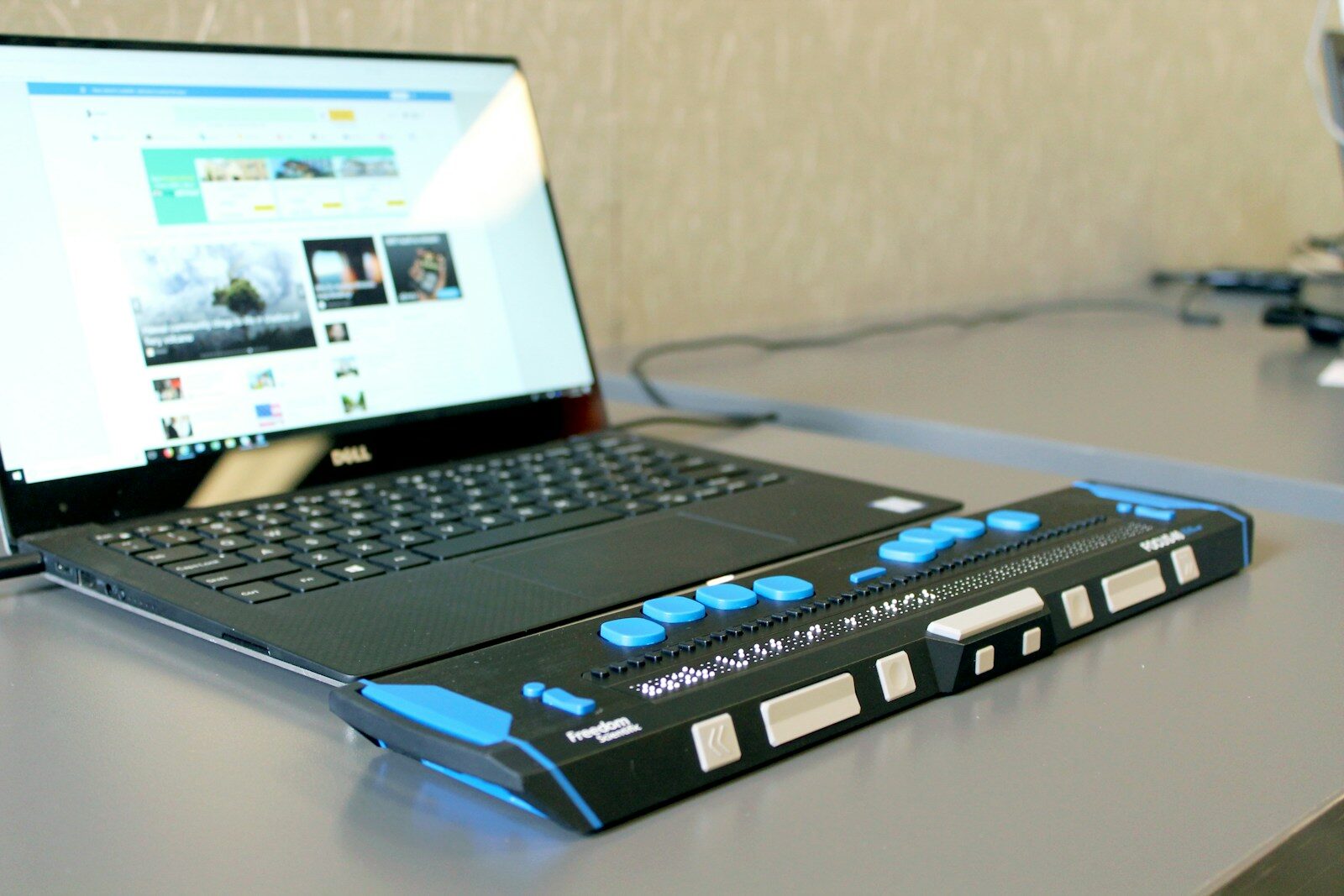
    Website accessibility means designing and developing your site so that all users—including those with visual, auditory, motor, or cognitive disabilities—can navigate and interact with it.

    Standards like the Web Content Accessibility Guidelines (WCAG), created by the World Wide Web Consortium, provide a clear framework. They focus on four principles: your website should be perceivable, operable, understandable, and robust.

    In simple terms: your website should work for everyone.

    Why accessibility is a smart business move

    You reach more people

    Millions of users rely on accessible websites every day. When your site isn’t built with accessibility in mind, you’re unintentionally turning people away.

    An accessible site allows users to:

    • Navigate without a mouse
    • Use screen readers effectively
    • Read content with ease
    • Engage with your content fully

    More access = more opportunity.

    It Boosts Your SEO

    Accessibility and SEO go hand in hand.

    When we build accessible websites, we’re also:

    • Structuring content clearly with proper headings
    • Adding alt text to images
    • Improving site navigation and usability

    Search engines favor websites that are easy to understand, and that’s exactly what accessibility helps you achieve.

    It Creates a Better User Experience

    Accessibility improvements don’t just help a small group. They improve the experience for everyone.

    Think:

    • Clear, easy-to-read text
    • Logical navigation
    • Faster understanding of your content

    When your website it easier to use, people stay longer, engage more, and are more likely to convert.

    It helps protect your business

    Accessibility is increasingly tied to legal compliance. In the US, the Americans with Disabilities Act (ADA) is often applied to websites.

    While not every business is thinking about this yet, it’s becoming more important, and getting ahead now is the smart move.

    It Reflects Who You Are As A Brand

    Accessibility shows that you care.

    It tells your audience that your business is thoughtful, inclusive, and committed to creating a positive experience for everyone, not just the majority.

    That kind of trust matters.

    Common Accessibility Issues We See

    A lot of websites unintentionally fall short. Some of the most common issues include:

    • Text imbedded in images (instead of real, readable text)
    • Low contrast between text and background
    • Missing alt text on images
    • Menus that aren’t keyboard-friendly
    • Inconsistent design patterns

    These might seem small, but they can create major barriers for users and hurt your site’s performance.

    How We Approach Accessibility At McCane Design Co

    Accessibility isn’t an add-on for us. It’s part of how we build.

    We focus on:

    • Clean, semantic structure
    • Mobile-friendly and responsive design
    • Readable typography and strong contrast
    • SEO-friendly content that’s also accessible
    • Thoughtful user experience from start to finish

    Because a beautiful website that doesn’t work for everyone? That’s not a finished product.


    Accessibility makes your website better—period.

    It improves usability, strengthens SEO, expands your reach, and supports your brand’s reputation. And as the web continues to evolve, it’s only going to become more important.

    If your current website isn’t meeting accessibility standards, or you’re not sure where it stands, we can help. Our websites are not only visually compelling, they’re also functional, strategic, and accessible. Let’s build something that works for everyone.

  • How Local SEO Can Bring More Foot Traffic to Your Business

    How Local SEO Can Bring More Foot Traffic to Your Business

    If you run a local business, your next customer is probably searching for you right now.

    They’re typing things like “coffee shop near me,” “family photographer in my town” or “best burger nearby.” And if your business isn’t showing up in those results, you’re missing out on real, ready-to-buy customers.

    That’s where local SEO comes in.

    At McCane Design Co, we don’t just build websites that look good. We build websites that help people find you. Local SEO is one of the most effective ways to turn online searches into actual foot traffic.

    What is Local SEO?

    Local SEO is the process of optimizing your online presence so your business shows up in location-based searches.

    These searches happen on platforms like Google Maps and Google search results. Think of the map pack that appears when you search for something “near me.”

    Local SEO helps your business appear in:

    • Map results
    • Local business listings
    • Organic search results tied to your location

    In short, it helps people nearby find you quickly and easily.

    Why Local SEO Matters for Foot Traffic

    People Search with Intent

    Local searches are powerful because they come with intent. Someone searching for a service in their area is usually nearby ready to take action.

    They’re not browsing. They’re looking to visit, call, or buy.

    If your business shows up at that moment, you have a much higher chance of converting that search into a visit.

    Visibility = Visits

    If you’re not showing up on the first page of search results, especially in the map pack, most people won’t find you.

    Local SEO improves your visibility where is matters most. When your business appears at the top of search results, you naturally get more:

    • Website clicks
    • Phone calls
    • Direct requests
    • Walk-in traffic

    It Builds Trust Before They Walk In

    Your online presence is often your first impression.

    When potential customers see:

    • Consistent business information
    • Positive reviews
    • Updated hours and photos
    • A clean, professional website

    They’re more likely to trust your business before they ever step through the door.

    Key Elements of a Strong Local SEO Strategy

    Local SEO is not just one thing. It’s a combination of small, intentional optimizations that work together.

    Here’s where to focus:

    Optimize Your Google Business Profile

    Your Google Business Profile is one of the most important tools for local visibility.

    Make sure:

    • Your name, address, and phone number are accurate
    • Your business categories are correct
    • You upload high-quality photos
    • You actively collect and respond to reviews

    This is often the difference between showing up and getting skipped.

    Use Location-Based Keywords

    Your website should clearly communicate where you are and who you serve.

    Instead of just saying “family photographer,” say:

    • “Family photographer in Clarkesville, GA”
    • “North Georgia family photographer”

    These location signals help search engines connect your business with nearby users.

    Keep Your Information Consistent

    Your business information should match across all platforms. That includes your website, social media, and online directories.

    Even small inconsistencies can hurt your rankings.

    Make your Website User-Friendly

    Once someone clicks through to your site, it needs to be easy to use.

    That means:

    • Fast load times
    • Mobile-friendly design
    • Clear navigation
    • Easy-to-find contact information

    If your website is confusing or slow, people will leave before they ever visit in person.

    Encourage and Manage Reviews

    Reviews play a huge role in local SEO and customer decision-making.

    Encourage happy customers to leave reviews, and always respond. It shows that you’re active, engaged, and trustworthy.

    Common Mistakes We See

    A lot of local business are close, but not quite there. Some of the most common issues include:

    • Not claiming or optimizing their Google Business Profile
    • Using vague or generic website copy with no location signals
    • Outdated or inconsistent contact information
    • Slow, outdated website that don’t work well on mobile
    • Ignoring reviews or not responding to them

    These are fixable, and fixing them can make a big difference quickly.


    The Bottom Line

    Local SEO connects your business with people who are already looking for what you have to offer.

    It increases your visibility, builds trust, and most importantly, brings more people through your door.

    If your goal is more foot traffic, local SEO is not optional. It’s essential.

    Ready to get found locally?

    If your business isn’t showing up where it should, we can help.

    At McCane Design Co, we build strategic, SEO-focused websites and optimize your online presence so the right people can find you at the right time.

    Let’s turn your online visibility into real-world traffic. Reach out today to get started.